Where Cheap Bids Cost You More
Gas Water Heater Installation Lehigh Valley PA
Your home deserves proper gas water heater installation. Not the cheapest bid. Not the fastest schedule.
Proper installation.
Poor installation creates safety risks, drives up energy costs, and kills equipment years before it should. The stories exist for a reason. Quality installation protects your investment and your family.
The equipment matters. The installation matters more.
Whether you need a 50-gallon replacement or you're upgrading to a more efficient natural gas system, installation quality determines everything that follows. This guide covers the warning signs that demand attention, what professional installation actually involves, and the cost factors that separate quality work from corner-cutting.
You'll learn what real gas water heater installation looks like when it's done right.
- 59+ Years in business
- 3rd Generation
- A+ BBB Accredited
- 24/7 Emergency Service
Simple - Fast - Honest
Satisfation Guarantee
Fast Response Time
Free Water Test
Honest Guidance
Signs Your Gas Water Heater Needs to be Replaced
Age matters most.
Water heaters approaching 10-15 years show their limitations. Efficiency drops noticeably. A 10+ year old water heater operates at roughly 50-60% efficiency compared to new models. Every dollar you spend on fuel wastes up to 40-50 cents.
Temperature fluctuations signal internal failure.
Your shower water swings from scalding to lukewarm without warning. Sediment buildup creates an insulating layer at the tank bottom. The heater struggles to maintain consistent temperatures. Thermostats fail. Heating elements wear out.
Strange noises demand attention.
- Rumbling sounds
- Popping noises
- Banging from the tank
Sediment hardens at the tank bottom. Steam bubbles escape through this layer, creating these warnings. Your tank is struggling.
Water pooling around the base requires immediate action.
Water heater failures cost an average of $4,720* per incident after deductibles. Leaks from the tank itself mean internal corrosion. Tank failure, not connection problems.
Other warning signs:
- Discolored water (brown, rusty, yellow)
- Rising energy bills without increased usage
- Inconsistent hot water supply
Your system is working harder to deliver worse results.


$15 OFF
New Customer
Give us a call today and take advantage of an extra $15 off, even with another coupon! Remember what family care is all about.
Valid Only on Oct 17, 2026
Our Professional Gas Water Heater Installation Process in Lehigh Valley
Assessment comes first. Before equipment selection, before scheduling, before anything else.
A licensed technician evaluates your space, existing setup, fuel type, and daily hot water usage patterns. They measure the installation area because newer models meeting post-2015 energy codes carry more insulation and larger dimensions than older units of the same capacity. No surprises on installation day.
Old unit removal follows careful sequencing. Technicians shut off utilities, drain the tank completely, then disconnect gas lines, water connections, and venting systems. Removing and draining a 50-gallon gas water heater takes 45 to 60 minutes. Complete tank-to-tank replacement requires two to three hours. Tank-to-tankless conversions need additional time for new power lines, water connections, and vent installation.
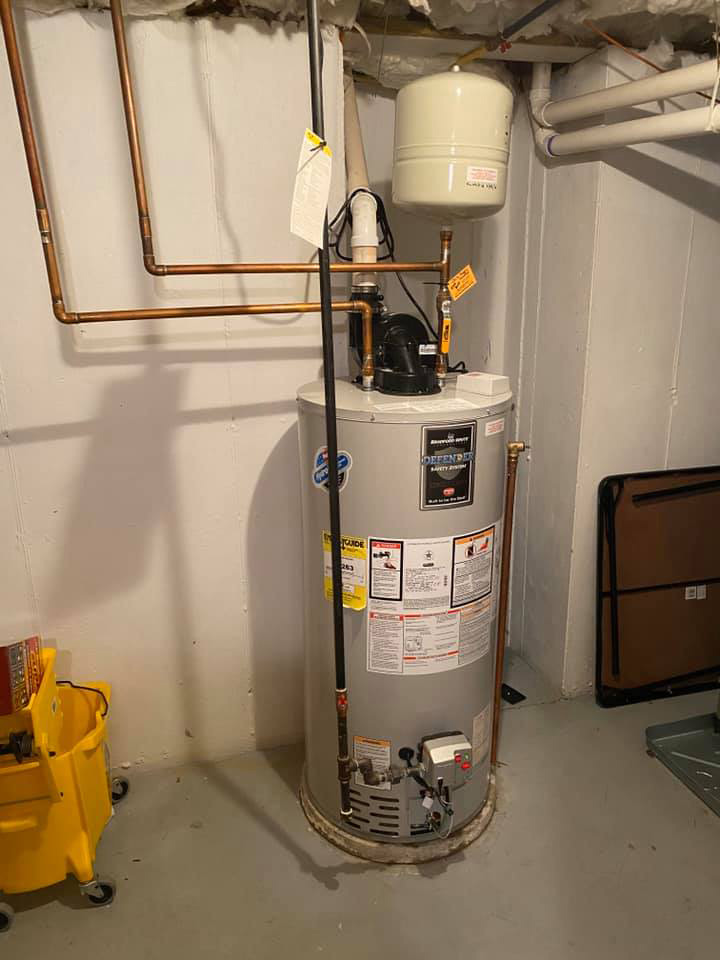
Positioning the new unit demands proper clearances - six inches on all sides for ventilation. Technicians level the unit, connect heat trap fittings to hot and cold lines, install the pressure relief valve discharge pipe, and reconnect gas lines using proper thread seal tape. Gas line pressure testing follows immediately. Bubble solution reveals leaks that visual inspection misses.
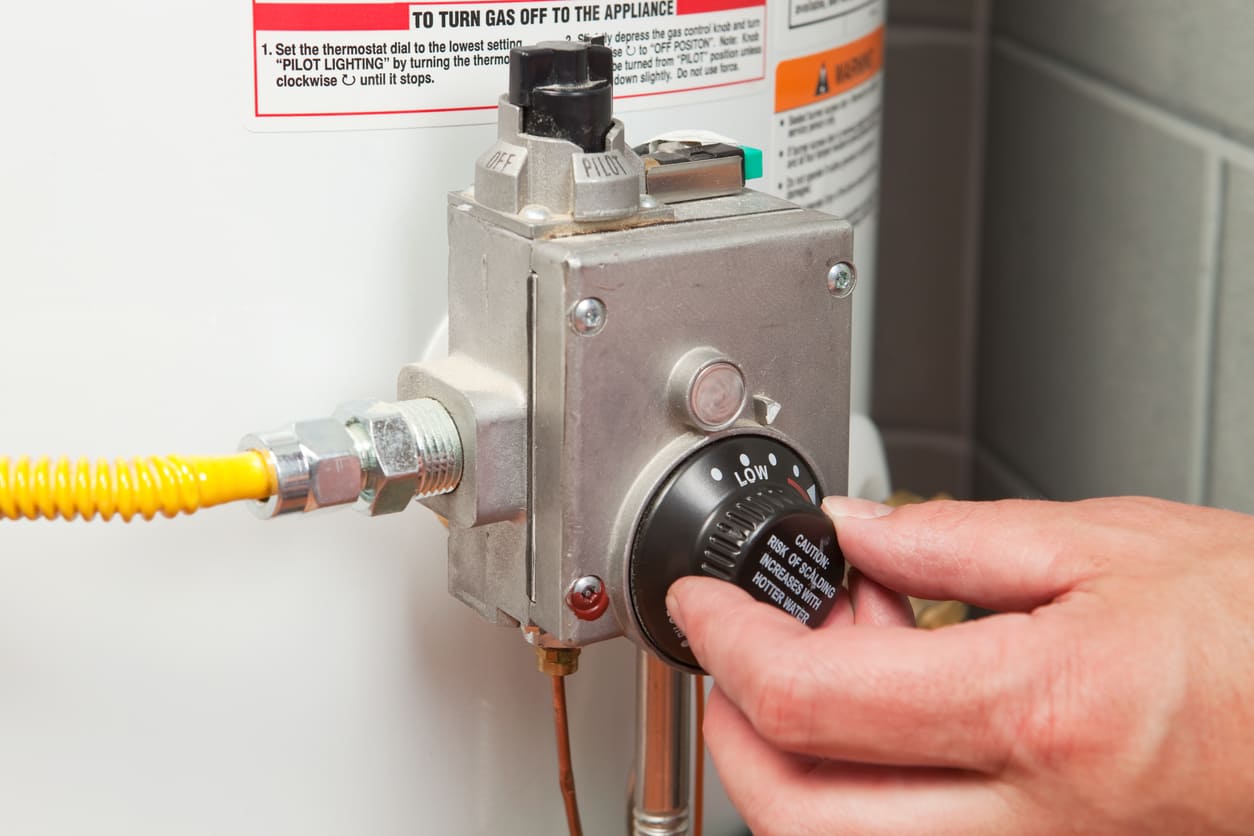
System filling begins after all connections are secure. Technicians purge air from lines while water fills the tank. They test every connection point for leaks, verify proper venting with smoke tests, light the pilot, and adjust thermostat settings.
Final inspection confirms local code compliance. Then cleanup begins.
The process matters as much as the equipment itself.

Request Call Back!
Get pricing when we come out

Gas Water Heater Questions
What does the water heater installation process typically involve?
The installation process starts with an initial assessment of your space and hot water needs. Next, the old unit is safely removed and drained, which takes about 45-60 minutes. The new water heater is then positioned with proper clearances, leveled, and all connections (gas lines, water lines, and venting) are secured.
Finally, the system is tested for leaks, proper venting is verified, and the unit is inspected for code compliance before cleanup.
How much does it typically cost to have a gas water heater installed?
For standard tank installation, the average cost generally ranges between $1,600 to $2,400*. The final price depends on factors like the type of unit you select (traditional tank or tankless), the complexity of the installation, and whether any additional modifications are needed to meet current building codes.
Is a permit required to replace a water heater in Pennsylvania?
Yes, replacing a water heater in Pennsylvania requires a permit. This is considered a critical job because it involves gas connections, water lines, and pressure relief systems that must all meet safety codes. Permits ensure the installation is inspected and approved for safe operation.
Why should I hire a professional instead of doing it myself?
Professional installation protects your manufacturer's warranty, which typically requires proof of licensed installation. Licensed plumbers ensure code compliance, proper gas line connections to prevent leaks, correct venting to avoid carbon monoxide buildup, and appropriate safety system setup. One installation mistake can void your warranty and create serious safety hazards.
How long does a complete gas water heater replacement take?
A complete tank-to-tank replacement typically takes two to three hours from start to finish. This includes removing and draining the old unit, installing the new water heater, making all necessary connections, testing for leaks, verifying code compliance, and final cleanup.
Why Choose Professional Installation in Lehigh Valley
Your warranty demands correct setup. Period.
Licensed plumbers understand manufacturer specifications exactly. They install tanks, pipes, and connections to precise requirements. One mistake voids coverage. One shortcut leaves you responsible for repairs that should have been covered.
Code compliance protects warranty and safety together. Gas systems involve combustible materials and pressure. Licensed professionals follow safety standards that prevent leaks and system failures. Building codes specify acceptable materials, installation methods, testing procedures, and installer qualifications. Permits are required before installation begins. Inspections must be completed before the system receives approval for use.
Non-compliance creates legal issues and safety hazards.
Documentation matters more than most homeowners realize. Manufacturers require proof of professional installation when you file warranty claims. Licensed plumbers provide paperwork that keeps your warranty valid. Without it, you wonder whether shortcuts were cut that might cost years of warranty protection.
Safety concerns make professional installation non-negotiable. Incorrect gas line connections create dangerous leaks or fires. Poor venting causes carbon monoxide buildup. Professional installers set up expansion tanks, pressure relief valves, and drainage systems properly. This protects the water heater from constant stress that kills equipment early.
Professional installation protects your investment and your family.
Need a Trusted Plumbing in the Lehigh Valley?
If your home needs reliable plumbing service, Tim Beil Plumbing is ready to help. Reach out today to check your area, request service, or speak with our team.