Low Pressure Today. Expensive Emergency Tomorrow.
Water Pressure Issues in Lehigh Valley, PA
Your shower stream feels weak. The kitchen faucet struggles. Appliances take forever to fill.
Something's wrong.
Normal water pressure runs 30 to 80 PSI. Drop below that range and you've got a problem that demands attention. The pressure might have dropped suddenly. Maybe it's been declining for months. Either way, weak water pressure signals trouble ahead.
Homeowners face this daily. Trickling faucets. Slow appliances. Showers that barely rinse soap away.
This isn't just an inconvenience. It's your system warning you.
Closed valves cause pressure drops. Location matters too-homes on hills naturally get lower pressure. Internal corrosion chokes flow. Municipal supply issues affect entire neighborhoods.
You need answers that protect your Allentown home. Real solutions, not temporary fixes.
The signs are clear when you know what to look for. The causes range from simple valve adjustments to major pipe replacement. Professional diagnosis separates minor issues from expensive emergencies waiting to happen.
- 59+ Years in business
- 3rd Generation
- A+ BBB Accredited
- 24/7 Emergency Service
Simple - Fast - Honest
Satisfation Guarantee
Fast Response Time
Free Water Test
Honest Guidance
Signs You Have Low Water Pressure in Your Home
The kitchen faucet struggles to rinse dishes. Your shower stream feels weak. Appliances run longer cycles.
These aren't minor inconveniences. They're warnings.
Sputtering faucets signal trouble. You turn on the tap. Gurgling sounds. Then water finally flows. That irregular stream means air pockets mixing with your supply. Pressure problems somewhere in your system.
Common signs include:
- Toilets refill slowly after flushing
- Dishwashers and washing machines take longer to fill
- Multiple fixtures drain remaining pressure
- Choosing which appliance to run first becomes necessary
Proper water pressure measures 50-70 PSI. Below 40 PSI indicates problems requiring attention. Test this yourself with a pressure gauge attached to an outdoor spigot.
Additional warning signs:
- Noisy pipes when water runs
- Weak flow from multiple fixtures simultaneously
- Shampoo won't rinse out properly
- Water slows to a trickle mid-shower
- You've forgotten what proper pressure feels like
Some homeowners adapt to declining pressure gradually. They don't realize how bad it's gotten until testing reveals the truth.
Early recognition prevents expensive emergencies later.

$15 OFF
New Customer
Give us a call today and take advantage of an extra $15 off, even with another coupon! Remember what family care is all about.
Valid Only on Oct 17, 2026
What Causes Low Water Pressure in a House
Multiple culprits create pressure problems. Here's what stops water flow:
Clogged Pipes
- Hard water minerals build up over time
- Sediment accumulates inside pipe walls
- Flow diameter narrows by 40% or more within 10-15 years
- Galvanized steel pipes corrode after 20 years
- Rust buildup chokes water passage
Partially Closed Valves
- Main shut-off valve not fully open
- Individual fixture valves partially closed
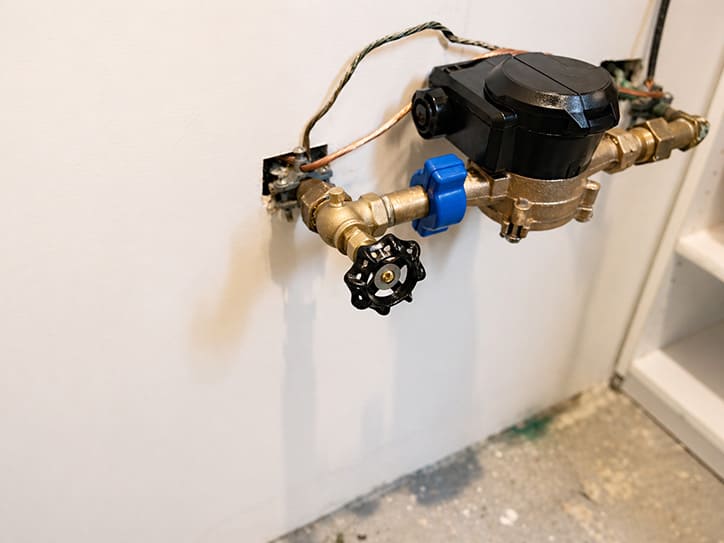
- Water meter valve needs adjustment
- Ball valves must align parallel to pipe
- Gate valves require full counterclockwise turns
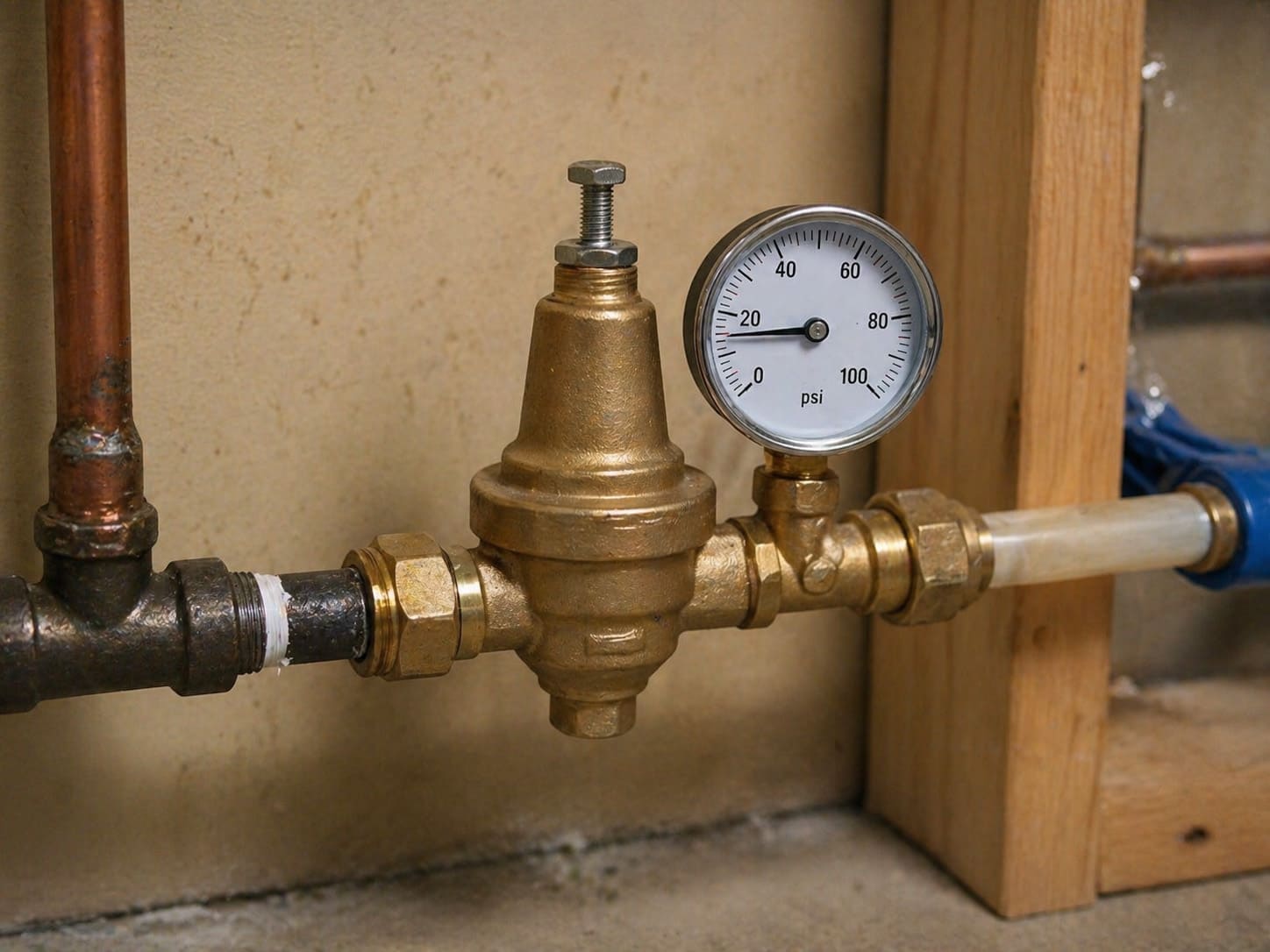
Faulty Pressure Regulators
- Internal components fail after 10-15 years
- Mineral blockages restrict flow
- Preset 50 PSI pressure needs adjustment
- Persistent fluctuations signal replacement needed
Municipal Supply Problems Peak usage periods drain available pressure. Water main breaks interrupt supply. Maintenance work creates temporary drops. Homes at higher elevations get 15-20% less pressure naturally.
System-Wide Issues Hidden leaks waste pressure. Undersized piping restricts flow. Clogged water softeners block passage. Sediment-filled water heaters reduce capacity.
Brown water alongside weak flow signals corroded pipes releasing rust into your supply.
The root cause determines the solution.

Request Call Back!
Get pricing when we come out
Home Water Pressure Questions
What is considered normal water pressure for a home?
Normal water pressure for residential homes typically falls between 30 to 80 PSI, with the ideal range being 50-70 PSI. Anything below 40 PSI indicates a problem that needs addressing, while pressure below 30 PSI significantly impacts daily activities like showering and running appliances.
How can mineral buildup affect my home's water pressure?
Mineral deposits from hard water accumulate inside pipes over time, narrowing the diameter and restricting water flow. In areas with very hard water, these deposits can reduce pipe flow by 40% or more within 10-15 years, leading to noticeably weaker water pressure throughout your home.
How long do pressure regulators typically last before needing replacement?
Pressure regulators generally last between 10-15 years before their internal components begin to fail. Signs that your regulator needs replacement include persistent pressure fluctuations despite adjustments, visible corrosion or damage, and mineral blockages that restrict flow beyond intended limits.
Why does my water pressure seem lower than my neighbors'?
Homes at higher elevations naturally experience 15-20% less water pressure than those at lower altitudes due to gravity. Additionally, municipal supply issues during peak usage periods, water main maintenance, or problems specific to your home's plumbing system can cause pressure differences between properties.
What are the risks of ignoring low water pressure issues?
Ignoring low water pressure can lead to serious problems including hidden leaks that damage structural supports and foster mold growth, wasted water (small leaks can waste 90 gallons daily), and burst pipes from pressure stress that result in thousands of dollars in emergency repairs.
Why Professional Water Pressure Repair Services Matter
DIY pressure adjustments seem simple. Check a valve. Twist a screw. Test the flow.
Nothing changes.
Pressure regulators fail after 10-15 years. The internal components wear out. Adjustment screws turn, but damaged internals stay damaged. Replacement becomes necessary, not adjustment.
Professional diagnosis uses tools homeowners don't have:
- Pressure testing kits measure exact PSI at multiple system points
- Thermal imaging detects hidden leaks without wall demolition
- Video pipe inspection cameras reveal internal pipe condition
- Ultrasonic leak detectors pinpoint underground water waste
Certain situations demand expertise. Non-negotiable.
Corroded regulators need replacement, not adjustment. Pressure fluctuations despite proper settings signal internal failure. Water hammer noises indicate dangerous high pressure stressing your entire system. Galvanized steel pipes in older homes face widespread corrosion requiring professional assessment.
Delayed repairs create expensive problems.
Hidden leaks damage structural supports. Mold grows behind walls. Small leaks waste 90 gallons daily in 10% of homes. Burst pipes from pressure stress cost thousands in emergency repairs.
Professional solutions fix root causes permanently, not temporarily.
Temporary fixes fail. Professional repairs last.
Need a Trusted Plumbing in the Lehigh Valley?
If your home needs reliable plumbing service, Tim Beil Plumbing is ready to help. Reach out today to check your area, request service, or speak with our team.