Bottom Leaks Mean Your Tank Is Failing
Why is my water heater leaking from the bottom?
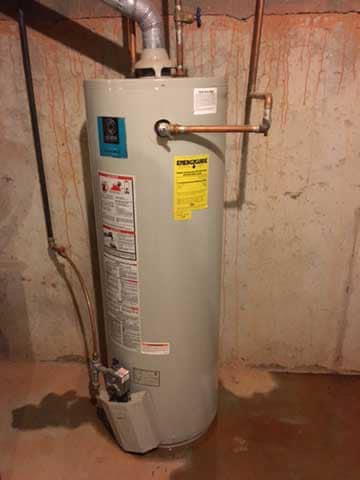
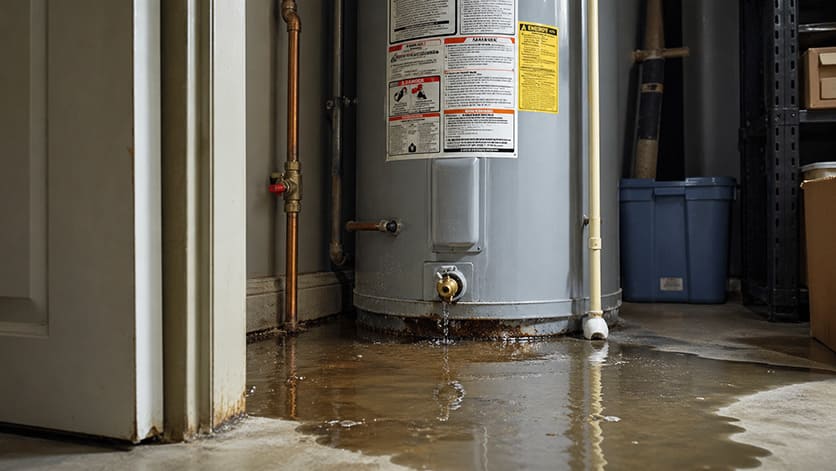
Water pooling around your water heater base means internal tank failure.
Sediment buildup weakens tank metal over time. Corrosion creates holes that leak. Water heaters last 8 to 20 years depending on type. Bottom leaks signal the end.
Tank failure doesn't discriminate between gas and electric models. Understanding the cause determines your next move. This guide covers immediate action steps when water appears around your heater, warning signs that precede catastrophic failure, root causes behind bottom leaks, and why professional diagnosis protects your investment.
Professional service matters for accurate assessment and safe repairs.
- 59+ Years in business
- 3rd Generation
- A+ BBB Accredited
- 24/7 Emergency Service
Simple - Fast - Honest
Satisfation Guarantee
Fast Response Time
Free Water Test
Honest Guidance
What to Do Immediately When Your Water Heater Is Leaking From the Bottom
Minutes matter when you discover bottom leaks. Water travels behind walls and under floors where damage remains hidden until mold appears.
Quick action prevents catastrophic damage.
Shut Off the Water Supply
Find the cold water supply line entering the tank top. Turn the valve clockwise until it stops completely. No additional water enters the tank this way.
Stuck valve? Damaged valve? Shut off your home's main water supply instead.
Water containment comes first. Everything else follows.
Turn Off the Power or Gas
Electric units: Locate your electrical panel. Find the water heater breaker. Switch to off position.
Critical safety rule: Never touch the unit if water contacts electrical components.
Gas units: Turn the gas control valve to "off." Most installations include a separate shutoff valve along the gas line. Turn the lever perpendicular to the line or rotate the knob clockwise.
Smell gas? Cannot safely reach the valve? Leave immediately. Call your gas company.
Safety, not speed.
Assess the Leak Severity
Secure power and water first. Then determine what you're facing.
Small drips suggest faulty valves. Persistent moisture or pooling around the base indicates a compromised tank. Tank leaks mean serious implications. Replacement often becomes necessary, especially beyond warranty periods.
Call a Professional Plumber
Water heater leaks signal corrosion that DIY methods cannot resolve. Small leaks appear manageable but indicate deteriorating tanks beneath the surface.
Licensed plumbers distinguish between repairable issues and replacement requirements. Gas and electrical components demand professional handling. Mishandling creates hazardous conditions.
Professional diagnosis, not guesswork.


$15 OFF
New Customer
Give us a call today and take advantage of an extra $15 off, even with another coupon! Remember what family care is all about.
Valid Only on Oct 17, 2026
Common Signs Your Water Heater Is Leaking From the Bottom
Early detection prevents catastrophic failure and expensive water damage. Some symptoms start subtle. Others hit hard.
Watch for these warning signs:
Puddles or Water Pooling Around the Base
Water collecting around your water heater base demands immediate attention. Dry the area completely. Place paper towels or cardboard underneath. Check again in a few hours.
Active dripping means professional help. Rust trails mean professional help. Consistent moisture at the same location means professional help.
Tank rupture releases 40 to 80 gallons in minutes. Wood platforms suffer subfloor damage. Don't wait.
Rusty or Discolored Water
The hot water tap runs brown or murky. Cold water runs clear but hot water shows discoloration. The problem points to your water heater.
Color tells the story:
- Brown or orange water: corrosion inside tank or worn galvanized pipes
- Yellow or cloudy water: sediment buildup
- Black or dark water: serious corrosion, mold, or bacterial growth requiring immediate attention
Strange Noises Coming From the Tank
Popping, banging, or rumbling sounds signal impending failure. Sediment buildup on the tank bottom causes these noises. Water heats beneath sediment layers, creating characteristic sounds during heating cycles.
Reduced Hot Water Supply
Weak hot water pressure across all fixtures stems from sediment buildup. Your heater should deliver adequate hot water during simultaneous use.
Moisture on the Outer Tank Surface
Condensate forms naturally during heating and cooling cycles. Don't mistake normal condensation for leaking.
Consistent wetness indicates genuine leak.
Why Is My Water Heater Leaking From the Bottom?
Root causes determine repair versus replacement decisions. Here's what fails.
Sediment Buildup Causing Internal Corrosion
Calcium and magnesium minerals settle at the tank bottom during heating. Accumulation hardens over time, causing overheating and premature component failure. Heating elements work overtime penetrating sediment layers. They burn out faster. Constant wear creates corrosion, leaks, and tank failure.
Most warranties don't cover rust, scale, or lime failures. Units rated for 8-12 years die in 5-6 years.
Faulty or Damaged Drain Valve
Sediment lodges in valve mechanisms, preventing closure. Plastic valves depend on compression and small O-rings that deteriorate. Rubber O-rings disintegrate completely.
Cracked or Corroded Tank
Heating and cooling cycles stress metal continuously. Tank resistance to corrosion weakens. Hard water accelerates sediment buildup and rust formation.
Stress, not age, kills tanks.
Worn Out Anode Rod
Replacement needed every 4-5 years. Corroded rods mean steel tanks start rusting. Electrolysis makes anode rods corrode instead of tanks.
No rod protection equals tank death.
Temperature and Pressure Relief Valve Issues
T&P valves open at 150 psi or 210 degrees fahrenheit. Sediment interferes with proper valve function.
Failed safety valves create dangerous conditions.

Request Call Back!
Get pricing when we come out
Water Heater Repairs Questions
What should I do immediately if my water heater is leaking from the bottom?
First, shut off the cold water supply valve at the top of the tank by turning it clockwise. Next, turn off the power at the electrical panel for electric heaters, or turn the gas control valve to "off" for gas heaters. After securing the water and power, assess the severity of the leak and call a licensed plumber for professional inspection and repair.
Can I continue using my water heater if it's leaking from the bottom?
No, you should not continue using a water heater that's leaking from the bottom. A leak typically indicates internal tank corrosion or damage that cannot be repaired. Continuing to use it risks catastrophic tank failure, which could release 40-80 gallons of water instantly and cause extensive damage to your home.
Does sediment buildup cause water heaters to leak from the bottom?
Yes, sediment buildup is a common cause of bottom leaks. Minerals like calcium and magnesium settle at the tank's bottom and harden over time, causing the tank to overheat and corrode. This corrosion weakens the tank's metal, eventually creating holes that leak. Regular maintenance, including periodic flushing, can help prevent this issue.
If my water heater is already leaking, has the damage already been done?
Yes, if your water heater is leaking from the bottom, the tank has likely already rusted through and the damage is irreversible. Bottom leaks typically indicate internal tank failure due to corrosion, which means the unit will need to be replaced rather than repaired, especially if it's older than six years.
How can I tell if my water heater is leaking from the bottom or just condensation?
Dry the area completely around the base and place paper towels or cardboard underneath. Wait a few hours and check again. If you see active dripping, rust trails, or consistent moisture in the same location, it's a genuine leak. Condensation typically appears during heating and cooling cycles but doesn't create persistent puddles or water pooling.
Why Professional Water Heater Service Matters
Water heater repairs demand expertise beyond basic troubleshooting. Professional service protects your home, your family, your investment.
Accurate Diagnosis of the Leak Source
Professionals use moisture meters and infrared cameras to identify leaks that aren't visible or audible. Visual inspection misses the actual source when water travels along pipes before dripping. Specialists pinpoint whether you're dealing with a faulty valve or internal tank corrosion.
No guesswork. Just answers.
Safe Handling of Gas and Electrical Components
Gas water heater repairs carry serious risks. Gas leaks cause fires or explosions. Detection requires specialized equipment. Licensed plumbers know how to properly seal, test, and secure gas lines.
Electrical water heaters demand exact wiring configurations. Short circuits and shock hazards result from mistakes. DIY attempts void warranties entirely.
Safety first. Always.
Proper Repair or Replacement Recommendations
Plumbers diagnose accurately and advise when replacement makes financial sense. Repair works when the unit is under 6 years old and the fix costs less than 50% of replacement.
Professional assessment prevents wasted money.
Prevention of Further Water Damage
Quick professional repairs prevent major damage. A ruptured tank releases 40-80 gallons instantly.
Minutes matter.
Warranty Protection and Quality Workmanship
Most warranties require professional installation to remain valid. Proper documentation keeps coverage intact. Professional installation includes workmanship guarantees.
Protection you can trust.
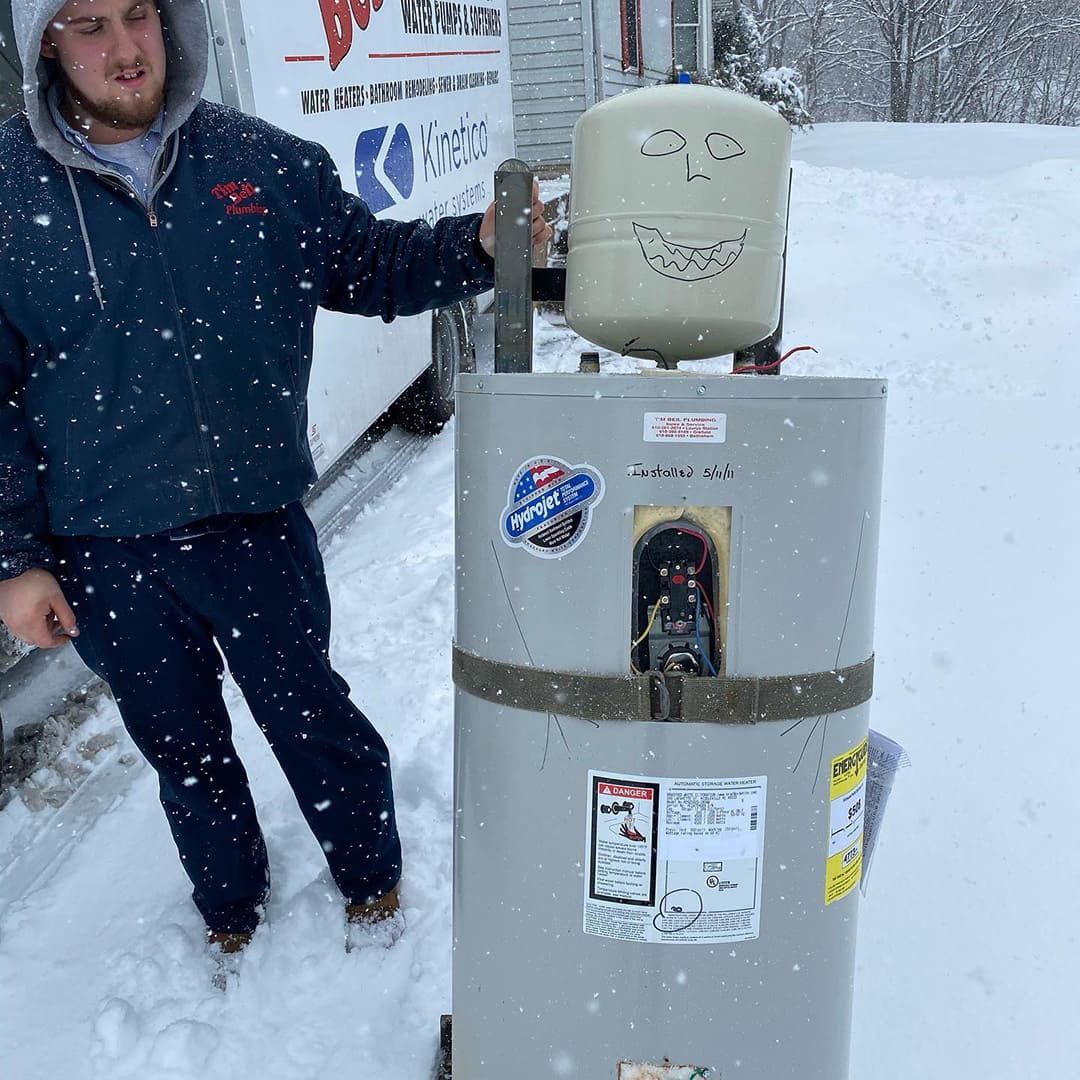
Need a Trusted Plumbing in the Lehigh Valley?
If your home needs reliable plumbing service, Tim Beil Plumbing is ready to help. Reach out today to check your area, request service, or speak with our team.